Clark vs Cebu vs Baguio: How They Really Differ
Almost every list of English schools in the Philippines points to the same three places: Clark, Cebu and Baguio. The short version you usually read — Clark is convenient, Cebu has beaches, Baguio is cool and strict — is not wrong. It is just too thin to choose on.
What actually shapes your course is narrower: how hard it is to arrive, what the weather does to your ability to sit and study, what waits outside the gate on a Saturday, and which costs stay the same wherever you go.
The three cities side by side
| Clark (Pampanga) | Cebu | Baguio | |
|---|---|---|---|
| International gateway | Clark International Airport, inside the same zone as the schools | Mactan-Cebu International Airport | None — arrive via Manila or Clark |
| Transfer after landing | Roughly 30 minutes | 30–60 minutes, longer outside the city | 4–6 hours by road from Manila |
| Setting | Managed freeport zone, flat, spread out | Large coastal city plus nearby islands | Compact university city, about 1,500 m up |
| Climate | Hot lowland, dry season roughly November to May | Hot and humid all year, sea breeze | Cool all year, very wet in monsoon months |
| Typical weekend | Malls, golf, Mount Pinatubo, day trips | Island hopping, diving, beaches | Cafes, markets, hiking, staying in |
| Common complaint | Quiet, and you need a taxi for most things | Traffic and weekend spending | The journey, the rain, cold rooms |
Treat this as a starting frame, not a verdict. Two schools in the same city can differ more from each other than the cities do.
Arriving is not a small detail
Baguio has no international airport. Most students land in Manila or Clark, then drive 4–6 hours up a winding mountain road. Arriving at night after a long-haul flight means reaching the dorm in poor shape, and the first day of class is often lost to catching up on sleep. That road is also the first thing to suffer in typhoon season, when landslides and closures are common.
Cebu is the easiest of the three to reach from many countries, because Mactan-Cebu is a genuine international hub. The catch is on the ground: schools are scattered across the island, and some sit an hour or more from the airport once traffic is counted. Check the school's actual address rather than the word "Cebu" in the brochure.
Clark has an international airport in the same freeport zone as the schools, so the transfer is short. The trade-off is route choice: Manila and Cebu carry more long-haul flights, so you may end up flying into Manila anyway and driving 1.5–3 hours depending on traffic. Routes and frequencies change by season, so confirm current schedules before you fix your dates.
Weather and weekends: what daily life feels like
Baguio stays cool all year. Rooms generally have no heating, laundry can take days to dry, and the monsoon from roughly July to September is heavy — Baguio is one of the wettest places in the country during those weeks. It has the longest association with strict, long-hours Sparta schools and the fewest weekend distractions, which suits people who want to be locked into a routine. Over a long course, though, the same few streets start to feel repetitive.
Cebu is hot and humid year round. Classrooms are air-conditioned, so the heat mostly affects your evenings. Beaches and dive sites are within reach of a weekend, which is genuinely useful if you want a sociable course. It is also the most common reason students overspend and arrive at Monday's first class exhausted.
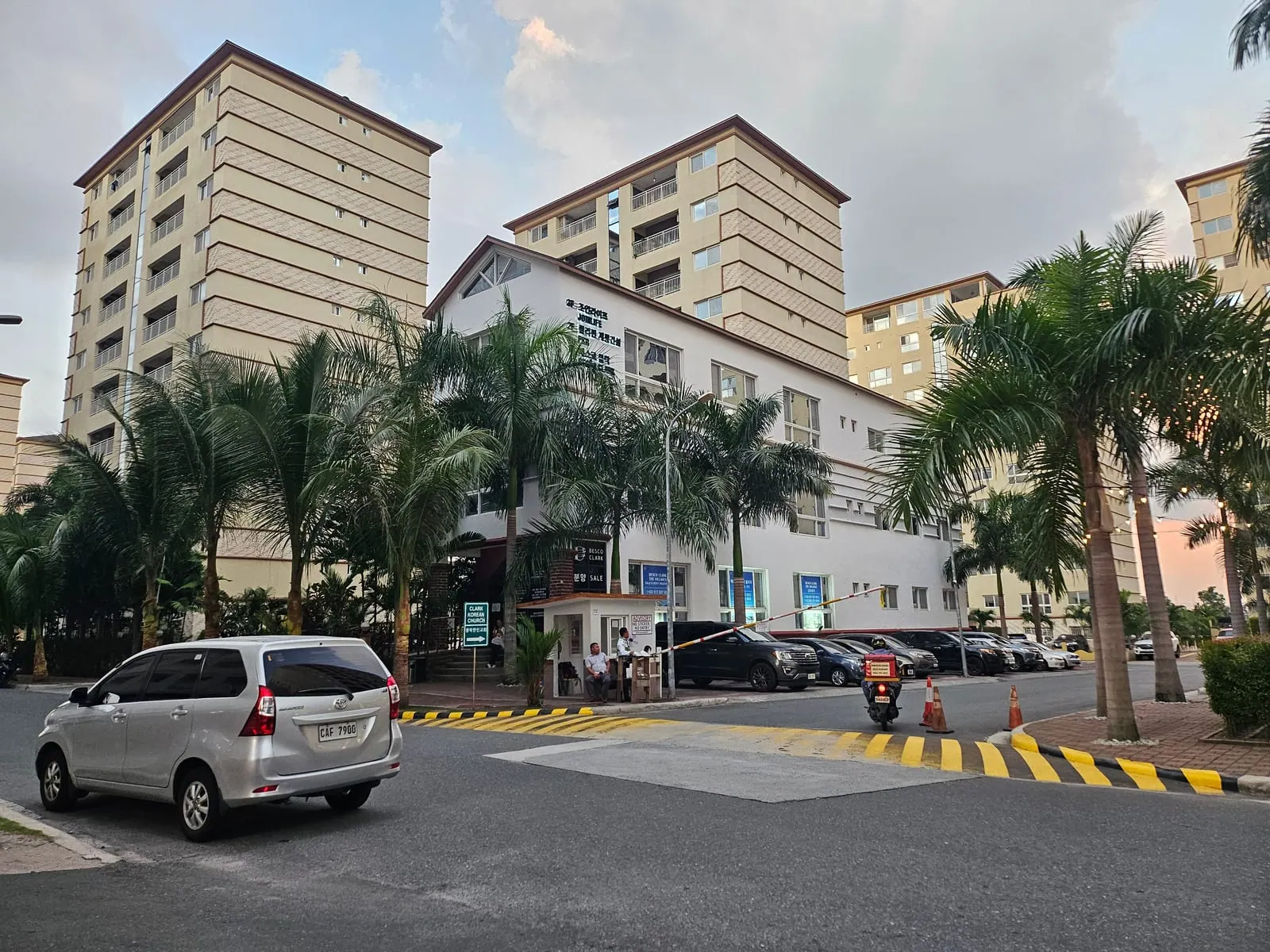
Clark has hot lowland weather with a clear dry season, roughly November to May, and April and May as the hottest stretch. It is a managed freeport zone with its own security and traffic rules, which is why it reads as orderly and quiet. That same quality is the complaint: it is spread out rather than walkable, and there is no beach, so you will use taxis for ordinary errands. Angeles City next door is livelier and includes a well-known nightlife district — easy to steer clear of, but better to know about in advance than to meet by surprise.
The costs and rules that do not change
Some items are set nationally and follow you to whichever city you choose.
| Item | Amount | When it applies |
|---|---|---|
| SSP (Special Study Permit) | ₱7,800 per application | Required to study. Not always a single lifetime payment — some immigration offices issue it only for the registered course length, so a longer or extended course can mean applying again |
| ACR I-Card | ₱4,500 | If your total stay goes past about 59 days |
| Visa extension | ₱3,000–6,000 per extension | Each extension, depending on the length granted |
These are government fees rather than school charges, and both the amounts and the rules can change. Requirements also depend on your nationality and the length of your stay, so treat the table as a reference point and confirm current figures with the school or your partner agency before you travel.
Everything else — tuition, dorm, meals, airport pickup, deposits — varies by school, room type and season, so ask for a written quote rather than trusting a number you read online. How those line items are normally split is covered in what studying English in Clark actually costs, and the permit side, including how to check that a school can legally issue your SSP, in is that Clark English school licensed?.
The teaching model is much the same in all three cities: one-to-one lessons with Filipino teachers, usually combined with small group classes. Where a school has a native-speaker staff member, that person generally works on teacher training — coaching the Filipino teachers, refining materials and standards — rather than teaching students. So if a school's marketing implies your daily lessons will be with a native speaker, ask exactly who will be in the room with you. Schools here are also booked through partner agencies rather than sold direct, so your agency counselor is the person you compare options with, and the program you are placed in matters more than the city in the address. Before paying a deposit, work through the documents to request before enrolling.
Common questions
Is one city cheaper than the others?
Not reliably. Tuition ranges overlap across all three, and the bigger variables are the room type you pick and your own weekend habits. Compare two written quotes for the same course length before assuming anything.
Which city gives faster progress?
None of them by itself. Progress follows your class hours, your teacher, and whether you use English outside class. A strict school in Cebu will push you harder than a relaxed one in Baguio — and with the cities swapped, the result swaps too.
Is Baguio really cold?
Cool rather than cold: comfortable by day, chilly at night, damp in the rainy season. Students from tropical countries often find it colder than expected, and rooms are not heated.
What if the school turns out to be a poor fit?
Changing mid-course is possible but rarely simple, because permits, dorm bookings and refund terms are tied to your registration. Read the refund policy before you sign, and tell your agency clearly what you want from the course.
Choosing between them
Rule out first, then choose. If a 4–6 hour mountain drive at the end of a long flight is unacceptable, or cold damp rooms would wear you down, Baguio is out. If you know weekend beach trips will eat your budget and your energy, Cebu is a risk you would be taking with your eyes open. If a quiet, spread-out zone with no beach would bore you, Clark is out.
Whatever survives that, decide on the school rather than the city. Ask a partner agency for two or three specific schools with written quotes and timetables, and compare them side by side — the eight government-accredited schools in Clark and Angeles are one place to start. That comparison will tell you more than any city ranking.