SSP Philippines Student Permit: Documents to Bring
Almost nobody researches the SSP before they book. It appears as a line in the quotation, gets paid in pesos during the first week, and the school office handles the paperwork. That is genuinely how it usually goes — and it is exactly why the small number of people whose application stalls are always stalled by the same trivial things: a photocopy they did not make, a photo of the wrong size, a name that appears differently on two documents.
None of that is dramatic. It just costs a morning, sometimes two, in your first week, when your time is worth more than it will be at any other point in the course. This article is the packing list that prevents it.
One caution before the details: immigration requirements are set by the Bureau of Immigration and can change, and the exact bundle a particular school submits varies by office and by season. Treat this as a preparation checklist, and take the final list from the school or your agency in writing.
What the SSP is, in one paragraph
The Special Study Permit is the permission that lets a foreign national on a tourist entry study at an accredited school in the Philippines. It is separate from your visa. Your visa governs how long you may remain in the country; the SSP governs whether you may sit in a classroom. Most students on a short or medium course hold both: a tourist entry that gets extended, and an SSP obtained after arrival. How the visa side works is covered in SSP, ACR and visa extensions.
The document set, item by item
| Item | Bring how many | Prepare it |
|---|---|---|
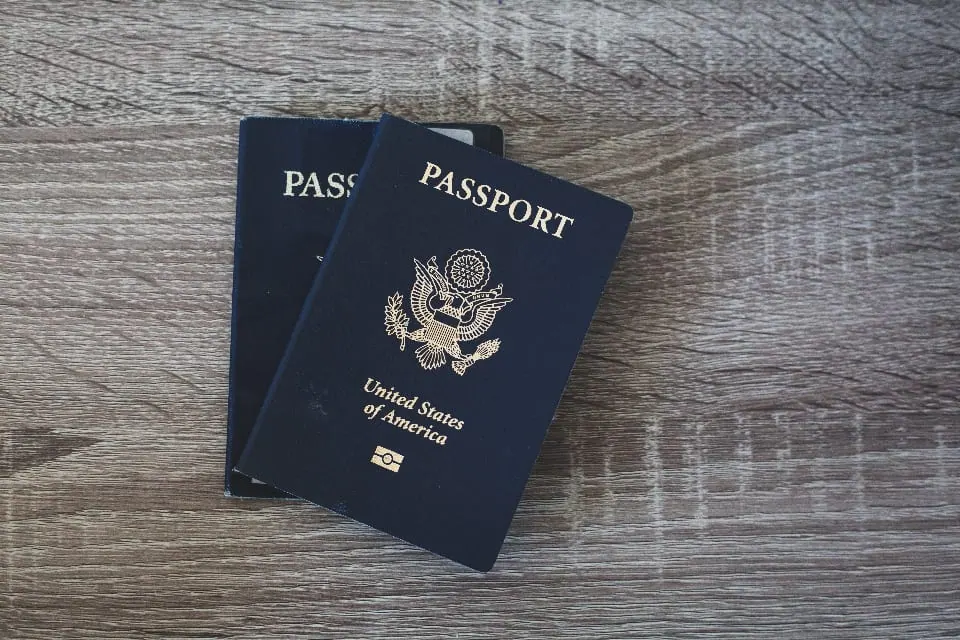
| Passport | Original | Valid well beyond your planned stay — check the expiry date today |
| Passport data page | 3–4 photocopies | Copy at home, on plain paper |
| Arrival stamp / entry record | 2 photocopies | Copy after you land, before your first office visit |
| Passport-style photographs | 6–8 | Recent, plain background, same photo across all documents |
| Enrollment or acceptance documents | As issued | Your agency or the school provides these |
| Application form | Provided locally | Fill in with the exact spelling on your passport |
| Fee in cash, in pesos | See below | Small notes as well as large ones |
Photographs are the item people underestimate. Bring more than you think you need, in the standard passport style, taken recently. Sizes required differ between forms, so having a mix of sizes is safer than having eight of one. Getting them taken locally is possible but eats a morning.
Photocopies are free at home and annoying abroad. Four copies of your passport data page costs you nothing in your own printer and saves a walk to a photocopy shop in the afternoon heat.
Your name has to match. If your passport shows a middle name and your enrollment form does not, fix it before you fly, not after.
Minors, students transferring from another school, and anyone entering on something other than a standard tourist entry may need additional documents. If any of those describe you, ask specifically — do not assume the standard list applies.
The small things that stall an application
- Passport validity. Many stays require validity comfortably beyond your departure date. Renewing a passport abroad is a different order of problem from renewing one at home.
- A blurred or cropped photocopy. Copy the whole page, flat, readable.
- Arriving with no pesos. Fees are typically paid in cash. Landing with only card and foreign currency means a currency-exchange errand before the paperwork can start. Handling money in the Philippines covers what to carry.
- A signature that does not match your passport. Sign forms the way you sign your passport.
- Losing the receipt. Keep every receipt and every stamped page together in one envelope for the whole stay. You will need them again at extension time.
What it costs, and when you might pay twice
| Item | Amount | Applies |
|---|---|---|
| SSP (Special Study Permit) | ₱7,800 per application | Before you may study |
| ACR I-Card | ₱4,500 | Stays longer than 59 days |
| Visa extension | ₱3,000–6,000 per extension | Each time your permitted stay ends |
At roughly 58 pesos to the dollar, ₱7,800 is about US$135.
The sentence to internalize: the SSP is priced per application, not once per person. Some immigration offices issue it only for the course length you registered for. If you then extend your course, a second application at the same price can follow. So do not describe it to yourself as a one-time entry fee, and do not assume a fixed validity period — ask the office through your school what was actually issued to you and until when.
Schools normally collect these fees and submit the paperwork on your behalf, but the money is yours and it moves in cash, which is why it sits outside most quotations. The wider budget is in what English study in the Philippines really costs.
A timeline from booking to permit
D-60, when you book. Check your passport expiry. If it is inside a year of your return date, start the renewal now.
D-30. Get photographs taken. Make the photocopies. Put them in one plastic envelope with your passport.
D-14. Ask your agency, in writing, for the exact document list the school will submit, and whether anything must be issued in your home country. Ask what the school collects in pesos on arrival and roughly when.
D-1. Withdraw or set aside the peso cash you will need, or plan your first currency exchange.
Day 1–3 on campus. Orientation, document handover, fee payment. Your passport may be taken for processing for a period; ask how long, and keep a photocopy on you meanwhile.
Week 1–2. Processing continues in the background while classes run. This is normal — you are not usually waiting idle for the permit before lessons begin.
Before you extend anything. Ask what your SSP was issued for, and whether extending the course triggers a new application.
Questions people ask
Can I apply for the SSP before I fly?
Generally the process runs after arrival, through the school. Ask your agency what, if anything, must be prepared in your home country first.
How long does it take?
It varies by office and by season. Ask the school for a realistic range for your dates rather than a number from an article.
Is the SSP valid for six months?
Usually it covers a period of months, but it is not safe to assume six. Some offices issue it for the registered course length only. Ask what yours says.
Do I need it for a two-week course?
Ask. Requirements depend on the school's accreditation and the course, and getting this wrong is not a small mistake.
Who keeps the permit?
Practice differs by school. Ask whether you hold it or the office does, and keep photographs of every document you hand over.
In short
Bring the passport, eight photographs, four photocopies of the data page, cash in pesos, and the exact list your agency confirms in writing. Everything else is done for you. Do that and the SSP is a receipt in your first week rather than a problem — and remember it is ₱7,800 per application, which is a different sentence from ₱7,800 once.
More on getting ready before you fly is collected under preparation.