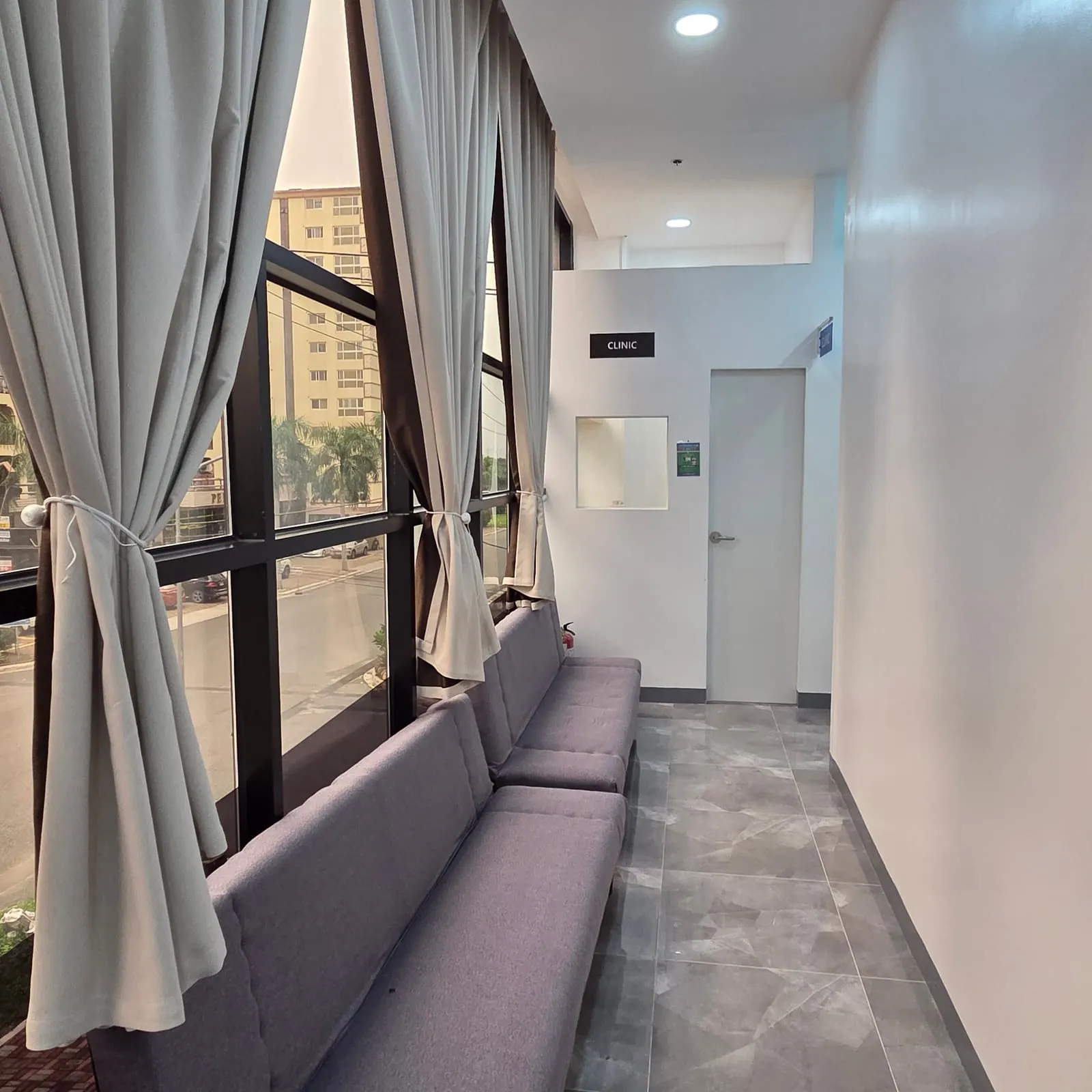
Getting Sick in Clark: Clinics and Pharmacies
Spending two or three months in a tropical country without ever feeling unwell is unusual. Cold air conditioning, unfamiliar food, a different water supply, and the tiredness that arrives once the first week's excitement wears off — plenty of students lose at least a day to a cold or a stomach upset. Dealt with early, it is a small thing; ignored, it costs you a week of lessons you have already paid for.
Why it usually happens in the first two weeks
Your body adjusts to several things at once. Classrooms and one-to-one booths are air conditioned and often colder than you expect, while outside it is hot and humid, and you move between the two all day. Add new food, a new water source, and short sleep after a long flight and an early start, and the first ten days are when a sore throat or an upset stomach is most likely.
One point matters if you are comparing destinations: medical consultations in the Philippines happen in English. Reception, the consultation, the prescription, the receipt. That is not true of every study destination, and it takes the biggest source of stress out of a clinic visit.
What to pack, and what to buy after you arrive
Pharmacies here are easy to find and most common medicines are available. The difficulty is explaining symptoms while you feel terrible, in a country where the brand names are not the ones you know.
| Category | Bring from home | Why |
|---|---|---|
| Stomach | Anti-diarrheal tablets, rehydration salts, antacid | The most used items in any kit |
| Cold and fever | Paracetamol or ibuprofen, throat lozenges | Air-conditioning colds are common |
| Skin | Insect bite cream, antiseptic, bandages | For weekend trips and outdoor days |
| Personal | Regular prescription medicine, full supply | Bring a copy of the prescription |
| Extras | Motion sickness tablets, eye drops, spare glasses | Cheap to pack, annoying to replace |
Write down the generic ingredient name of anything you take regularly rather than the brand: paracetamol and acetaminophen are the same drug, and a pharmacist here will recognize the ingredient, not your home label. Note also that antibiotics are not sold over the counter in the Philippines.
Minor illness: the school clinic and the office
For a cold, a headache or mild stomach trouble, you should not need to leave campus.
- Tell someone the same day. Schools differ — a clinic on site, a nurse on set days, or a partner clinic nearby. Ask at orientation what the arrangement is, what the hours are, and who to contact at night or on a weekend.
- Ask the office to adjust your lessons. One-to-one lessons are booked with a specific teacher at a specific hour, so simply not turning up usually means that hour is gone. See how one-to-one lessons work.
- Take the rest day properly. Sleep, drink more water than feels necessary, eat the plainer canteen options. One quiet day beats pushing through and losing a week.
Be realistic about make-up lessons: policies vary by school, and where they exist they usually require a medical certificate. Ask about the rule before you are sick, not after.
When you need a hospital, and what it costs
A fever that will not come down, diarrhea lasting more than two or three days, dehydration, or any injury is past what a school clinic can handle.
| Situation | Where to go | What to bring |
|---|---|---|
| Cold, mild stomach upset, headache | School clinic or a pharmacy | Nothing special |
| Fever lasting more than two days, persistent diarrhea, rash | Hospital outpatient department | Passport copy, insurance details, cash and card |
| Injury, breathing trouble, severe pain | Hospital emergency department | The same, and tell the office first |
Try not to go alone. The office can point you to the right hospital and, depending on the school, arrange transport or someone to go with you. Private hospitals around Angeles City and Clark are used to treating foreign patients — though outpatient waiting times can be long, and standards vary noticeably from one hospital to the next, which is worth asking about at orientation rather than discovering on the day.
The payment side surprises many international students. You generally pay at the time of treatment and claim from insurance afterwards rather than being covered on the spot. Keep the official receipt and the medical certificate; without both, most policies will not reimburse you. Carry a card and some cash, since accepted payment methods vary — handling money in the Philippines covers that side.
There is an indirect cost too. If illness pushes you into adding weeks, some government fees are charged again rather than adjusted: a visa extension is ₱3,000–6,000 each time, and the SSP is ₱7,800 per application — some immigration offices issue it only for the length of the course you registered for, so extending can mean paying it a second time. The ACR I-Card is ₱4,500 once your stay passes 59 days. The SSP, ACR and visa guide sets out the sequence.
Frequently asked questions
My English is weak. Can I manage a doctor's visit?
Consultations are in English and school staff are used to walking students through it. Write your symptoms down first in simple words — how many days, what kind of pain, what you have already taken. Support differs from school to school, and TALK enrolls students through partner agencies, so ask your agency what a school actually provides.
Is the tap water safe?
Drink bottled or filtered water. Campuses provide purified drinking water, and bottled water is inexpensive. Being careful with water and street food in the first two weeks removes most of the risk.
Do I need insurance for a short stay?
Yes. A single hospital admission can cost more than a whole policy, and most travel policies cannot be bought once you have already left home. Check what your policy needs for a claim — usually the official receipt plus a medical certificate — before you fly.
In short
Illness during a language course is normal, not a disaster — the students who lose real time are the ones who wait days before telling anyone. Pack a small kit with the generic names written down, buy insurance before you fly, save the school's emergency number in week one, and go to the office the moment something feels wrong.