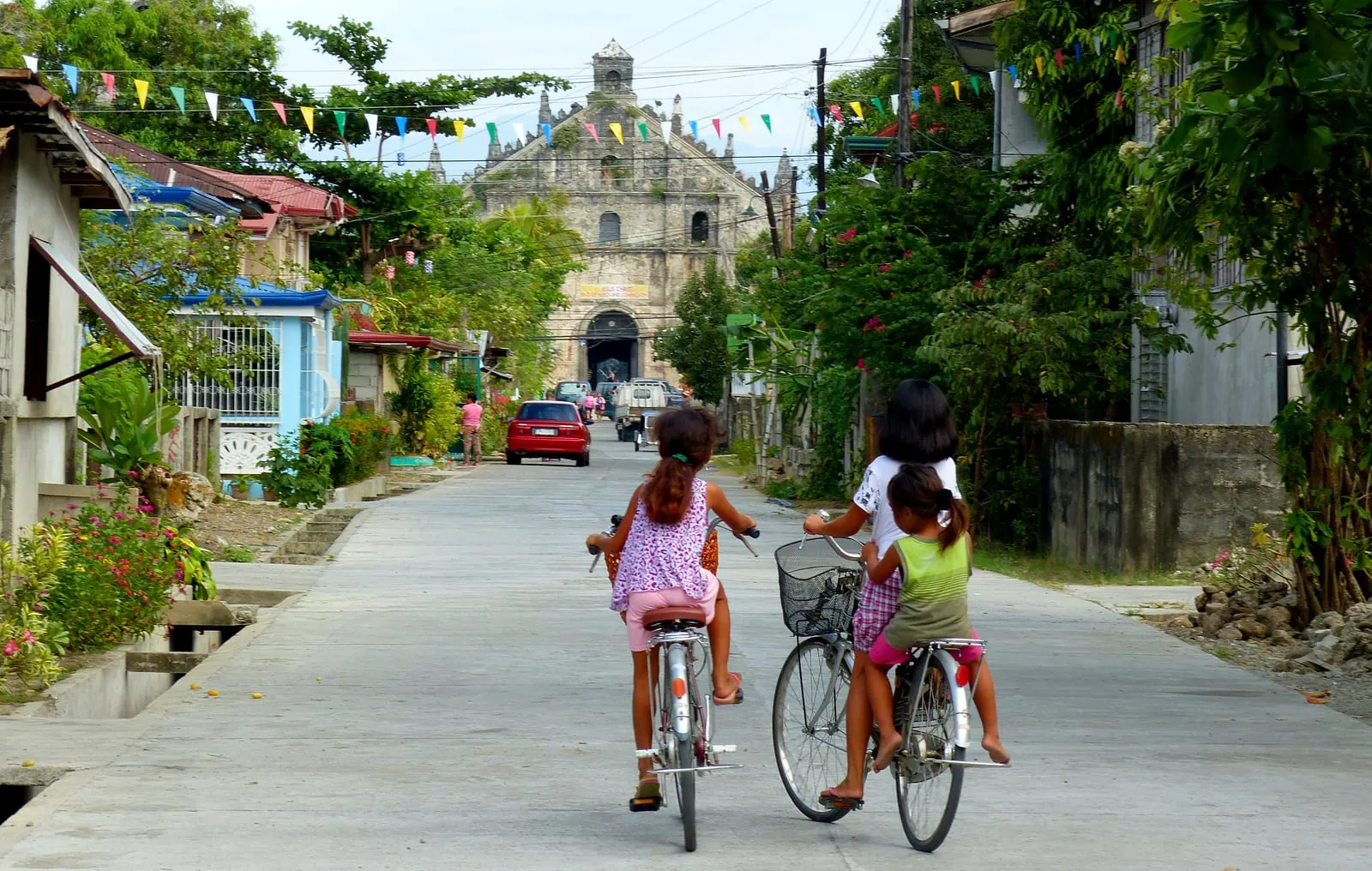
Is the Philippines Safe to Study? 8 Situations
"Is the Philippines safe?" is a question with no useful answer, because the country is large, uneven, and nothing like a single place. A government travel advisory covering an entire archipelago tells you very little about a Tuesday evening walk from a language school to a coffee shop.
The answerable version is smaller and more boring: in the eight situations a student actually repeats every week, what tends to go wrong, and what removes most of the risk? That is what this article does. It is not reassurance and it is not a warning. It is a list.
Two caveats. Conditions differ enormously by city and neighbourhood, and they change over time — check your own government's current travel advice before you book, and again before you fly. And nothing here is a substitute for what your school tells you at orientation, which will be specific to the actual streets around you.
Why the question is usually asked wrong
Most people asking are weighing the Philippines against Malta, Ireland or Australia, and imagining a single risk called "crime". In practice the things that disrupt a student's course here, in rough order of how often they happen, are:
- Getting sick.
- Losing money to carelessness rather than to crime.
- Traffic.
- Weather.
- Theft, almost always opportunistic.
That ordering matters, because the precautions for the first four are dull and effective, while worrying about the fifth produces a lot of anxiety and very little behaviour change.
Eight situations, and what actually goes wrong
| Situation | What tends to go wrong | The habit that fixes most of it |
|---|---|---|
| Walking to class in daylight | Almost nothing | Normal awareness |
| Walking back after dark | Phone snatching, disorientation on unlit stretches | Known route, phone in pocket, walk with someone |
| Taking a ride to the mall | Fare disputes, wrong vehicle | Book through an app so the route and driver are recorded |
| Withdrawing cash | Card skimming, being watched at the machine | Use machines inside malls or banks, in daylight |
| Eating and drinking out | Stomach upsets far more than anything sinister | Bottled or filtered water, busy places, watch your own drink |
| A weekend trip | Overnight buses, unfamiliar towns, no one knowing where you are | Tell someone your plan and your return time |
| Heavy rain and flooding | Blocked roads, cancelled travel, sudden schedule changes | Check forecasts in the wet season, keep a buffer day |
| Being ill and unsure where to go | Waiting too long | Know the nearest clinic before week two |
The pattern is that almost every entry is solved by planning rather than by courage. Getting around Clark covers transport in more detail, and getting sick in Clark covers the clinic question, which statistically is the one you are most likely to need.
Money, phones, and the two habits that cover most of it
Money and phones account for the majority of unpleasant incidents students report anywhere, not only here. Two habits do most of the work.
Split what you carry. A day's cash in your pocket, the rest locked up. Cards and cash in different places. A photocopy of your passport with you, the passport itself secured. This turns a bad afternoon into an inconvenience rather than an emergency — the practical version is in handling money in the Philippines.
Make your phone boring in public. Most phone loss happens because the phone is in a hand, at a roadside, in view. Navigate before you set off rather than while walking.
Add one administrative habit: keep photographs of your passport, your entry stamp, your insurance policy and every permit receipt in cloud storage. If anything is lost, that folder is the difference between one day of hassle and a week of it.
A word on documents. Your passport may be taken for a period during permit processing, which is normal. Ask how long, keep a photocopy on you meanwhile, and keep every receipt together — you will need them again at extension time. The fees themselves are fixed: ₱7,800 per SSP application, ₱4,500 for an ACR I-Card if your stay runs beyond 59 days, and ₱3,000–6,000 for each visa extension. Details in SSP, ACR and visa extensions.
The boring risks that matter more than crime
Traffic. Roads are busier and less predictable than many students are used to, pedestrian infrastructure varies, and motorcycles move through gaps. Cross where other people cross, assume you have not been seen, and be more careful at night than you would be at home.
Heat and dehydration. Underrated, and the most common reason a first week goes badly. Drink far more water than instinct suggests.
Weather. The Philippines has a wet season and gets typhoons. In practice this means occasional heavy rain, occasional flooded roads, and travel plans that need a buffer day. Schools have their own procedures for severe weather; ask what they are at orientation rather than during a storm.
Insurance. Take it, read what it covers, and match the dates to your actual stay. If you extend the course, extend the policy — a gap between the two is a genuinely expensive mistake.
Questions people ask
Is it safe for a woman travelling alone?
Many adult students, including women travelling alone, study here without incident, and the ordinary precautions are the ordinary precautions anywhere: known routes, booked rides, telling someone your plan. Ask the school directly about the walk between campus and the nearest shops after dark — that specific stretch is what actually matters, and only they can describe it.
Is the campus itself secure?
Arrangements differ by school and building. Ask what security is in place, who can enter, and whether there are curfew or sign-out rules for adults. Do not assume; get it in writing.
Should I avoid the Philippines because of travel advisories?
Read them properly. Advisories are usually region-specific, and the regions they concern are often nowhere near where language schools operate. Check the actual geography rather than the headline.
Is the food safe?
Generally, with the usual traveller's caution: bottled or filtered water, busy places with turnover, and a slow introduction to street food rather than a heroic first weekend.
What if something happens?
Tell the school office first. They deal with this more often than you will, and they know the local procedure. Then tell your insurer, and your embassy if documents are involved.
In short
The honest answer to "is the Philippines safe to study" is that the risks a student meets are mostly mundane — illness, heat, traffic, rain, and carelessness with a phone — and that the precautions are correspondingly mundane. Learn the walk home before you need it in the dark, book rides through an app, split your cash, know where the clinic is, and keep your documents photographed. Do that and the question stops being interesting, which is the point.
More on staying well and out of trouble is collected under safety.